Nutrition plays a key role in supporting both physical and mental health. What you eat, along with when and how you eat, can affect your energy levels, mood, symptoms, and overall well-being.
Since arthritis affects each person differently, there is no single way of eating that works for everyone. This resource offers information and strategies to help you make food choices that align with your individual needs, preferences, and lifestyle.
Explore the pages below to learn more about each topic.
Diet and Nutrition

Diet and nutrition are both used when we talk about food, but they mean different things. Diet is what foods we eat, and nutrition is how our bodies use what we eat to function.
Our bodies break down the food we eat to get vitamins, minerals, fats, proteins, and carbohydrates. These nutrients help support metabolism, growth, and tissue repair.
Some foods give us more of these helpful nutrients than others. That’s why what we eat matters, especially when managing a disease like arthritis.
Since different foods have different nutrients, it is important to eat a wide variety of foods to make sure our bodies are getting what we need to function and prevent nutrient deficiency.
Nutrients can be broken down into two different categories: macronutrients and micronutrients.
Macronutrients include fat, carbohydrates, and proteins.
Proteins are broken down into amino acids, and are needed for:
- Tissue and cartilage repair
- Immune system support
- Enzyme and hormone production
Micronutrients include vitamins and minerals. All of these are important for growth, development, tissue repair, and overall health.
Eating a Balanced Plate
One of the best ways to ensure you are eating a wide variety of foods is to follow Canada’s food guide recommendations to make your plate:
- ½ vegetables and fruits
- ¼ whole grain foods
- ¼ protein foods
Aiming for these proportions helps you get the nutrients your body needs and contributes to your long-term health.
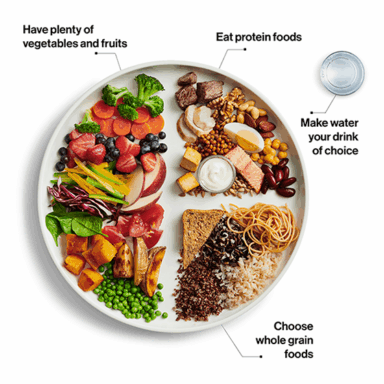
Source: © All rights reserved. Canada’s food guide: snapshot. Health Canada. Adapted and reproduced with permission from the Minister of Health, 2026. Available at: https://food-guide.canada.ca/en/food-guide-snapshot/
Protein Sources
Choosing more plant-based proteins such as beans, lentils, tofu, nuts, and seeds can increase your intake of:
- Fibre
- Vitamins
- Antioxidants
These foods may also replace processed meats, which are higher in saturated fat and sodium. Reducing processed meats can help lower LDL cholesterol and decrease your risk of heart disease.
Many plant-based proteins cost less than some animal proteins and can help stretch your food budget. Canned fish can often be less expensive than fresh or frozen fish. If you want meat, many less expensive cuts can be used in stews or casseroles, or marinated to tenderize these cuts.
Beverage Choices
What you drink is just as important as what you eat. Canada’s Food Guide recommends making water your drink of choice.
Limiting sugary drinks and those high in saturated fat like sweetened coffee drinks and full-fat dairy can help reduce your intake of added sugars and unhealthy fats. Be careful to minimize whipped cream topped beverages and added syrups.
There are benefits from drinking 2-3 cups of coffee or tea per day. Try to limit added sugars and high fat additions. Adding low fat milk can add protein, calcium and vitamin D to the diet. Tea, coffee and high cacao chocolate also are great sources of antioxidants.
Limit juice intake to 125 mL (1/2 cup) per day. Try to choose whole fruit rather than juice when possible. Certain juices are great sources of antioxidants which are helpful to prevent cell damage. Diluting juices or mixing a small amount into club soda or sparkling water can be refreshing. Good choices in moderation include unsweetened orange, pomegranate, grape or beet juice. Drink plain water afterwards for good dental health.
Staying hydrated:
- Supports digestion
- Helps prevent constipation
- Aids joint lubrication, which is especially important for people taking medications that may cause dehydration as a side effect
- Helps with energy levels
Even though eating a wide variety of foods is the best way to ensure you get a balance of nutrients, figuring out how to get a balanced diet that works for you and your body can be a challenge.
Dietitians are a great resource to help you learn more about what type of diet will provide the best balance of nutrients for your body’s needs. Nutritionists can also be a great resource, but it is important to note the title of nutritionist is only regulated in some provinces, and none of the territories.
Dietitians are a protected title in Canada, which means that only people who have gone through specific training and are registered to practice can work as a dietitian. Registered dietitians in Canada complete a four-year university degree in nutrition and dietetics and a practical placement. They then must pass a licencing exam and register with their provincial or territorial College of Dietitians. The college is a professional association that ensures practicing dietitians are qualified and adhere to a set of professional guidelines. You can use the Dietitians of Canada website to search for a registered dietician in your area.
Nutritionists are a regulated profession in some provinces, but not in others. In Alberta, Quebec, Nova Scotia, and Prince Edward Island, nutritionist is a protected title, and anyone practicing as a nutritionist in those provinces will have an equivalent education to dietitians. This is not the case in other parts of Canada, where anyone can use the title nutritionist, and they do not have to complete training to use the title.
If you live in a province or territory where anyone can use the title nutritionist, check for credentials by looking for the initials RD or PDt (DtP in French) after the person’s name to let you know if they are a registered dietitian. For more information about the differences between a dietitian and nutritionist, check the Dietitians of Canada’s website.
Visiting a Dietitian
During the first appointment, dietitians will ask you about your current eating habits, including:
- What type of foods you eat, including your favourite foods
- How much and how often you eat throughout the day
- Any current challenges or concerns you may have with food and eating
- What medications or supplements you currently take
They will also ask what type of goals you may have, such as managing side effects from medication, balancing your diet, gaining or losing weight, or any other goals around food, eating, and managing nutrition with consideration of your medical history.
Dietitians are formally trained to help you find ways to eat well, within your budget, and meet your nutritional needs. For more information and resources about dietitians, visit unlockfood.ca.
Food and Inflammation

| Photo by Chona Kasinger, for Disabled and Here, a disability-led stock image and interview series celebrating disabled Black, Indigenous, and people of colour (BIPOC). |
While research is still exploring the link between food and inflammation, making informed choices about what you eat can have an impact on how your body responds to illness, inflammation, and disease activity. Diet alone will not cure arthritis.
It is important to note that everyone’s body is different – what works for you may not work for someone else, and vice versa.
Inflammation occurs when the body’s immune system responds to perceived threats or injury. While acute inflammation can have a protective role in the body, chronic inflammation contributes to arthritis.
Research suggests that several foods can either increase or reduce inflammation.
May increase inflammation
- Ultra-processed foods: These include packaged snacks, fast food, and ready-to-eat meals that often contain additives, preservatives, and low-quality fats. They tend to be low in nutrients and high in calories, which may promote inflammation over time.
- Trans fats, saturated fats, and excess omega-6 fats: Found in some commercially baked goods, fried foods, and certain vegetable oils (like corn and soybean oil), these fats can increase inflammation when eaten in large amounts. Replacing them with healthier fats like olive oil or avocado oil is a better choice. Extra virgin olive oil, flax seed oil, or chia oil are better used on salads and on top of food. Use avocado oil or refined olive oil to cook with.
- Red and processed meats: Meat like beef, bacon, sausage, and deli meats can increase levels of inflammatory markers in the body. Eating them frequently has also been linked to a higher risk of chronic disease.
- Refined sugars: High intake of added sugars (found in sweetened drinks, baked goods, desserts, and processed foods and candy) can cause spikes in blood sugar and contribute to inflammation, especially when consumed regularly.
- High-sodium foods: Too much salt may increase inflammation and raise blood pressure. Many packaged and restaurant foods contain more sodium than you might expect. Reading food labels can help you manage your intake.
- Excess alcohol: Drinking too much alcohol can irritate the gut, increase inflammation, and weaken the immune system. Limiting alcohol, or avoiding it during arthritis flares, may help reduce symptoms.
May help reduce inflammation
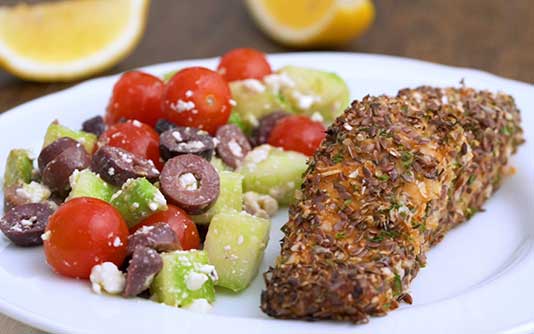
- Omega-3 fatty acids: These are healthy fats found in fish like, salmon, sardines, and mackerel, as well as in flaxseeds, chia seeds, and walnuts. These fats can help reduce joint pain and stiffness by blocking substances in the body that cause inflammation.
- Fibre-rich foods: Fibre supports digestion, blood sugar balance, cholesterol control, and helps you feel full longer. Consume a variety of foods high in soluble and insoluble fibres.
- Soluble fibre (found in oats, lentils, beans, some fruits and vegetables) helps lower cholesterol and blood sugar. These often slow digestion.
- Insoluble fibre (found in whole grains, nuts, some fruit and vegetables) supports regular bowel movements by absorbing fluids.
- Antioxidant-rich foods: Antioxidants protect your cells by neutralizing harmful molecules called free radicals. When free radicals build up, they cause oxidative stress, which can increase inflammation. Colourful fruits and vegetables, whole grains, nuts, and seeds, dark chocolate, tea and coffee, and many herbs and spices are good sources of antioxidants.
- Balanced blood sugar levels: Keeping blood sugar steady may help reduce inflammation. Spikes and crashes in blood sugar can increase oxidative stress and worsen inflammation. Eating meals that include fibre, protein, and healthy fats can help keep blood sugar stable and support your immune system.
EXPLORE:
- Understanding nutrition labels on food
- Eat a rainbow: How colourful fruits and vegetables help fight inflammation
- Arthritis Talks: Anti-inflammatory arthritis friendly eating [VIDEO]
Eating to Help Reduce Inflammation
 Following an anti-inflammatory way of eating means focusing on a variety of foods that work together to help reduce inflammation, rather than relying on single nutrients or supplements. Eating a diverse and balanced diet supports your immune system and overall health.
Making changes to your diet can take time. You might consider trying recipes or meals from eating patterns known to reduce inflammation. The Mediterranean diet has growing research supporting the benefits of helping arthritis. Some other diets showing some benefits for arthritis include the DASH diet and the MIND diet. Any of these can be adapted to be vegetarian or vegan.
- The Mediterranean diet emphasizes vegetables, fruit, whole grains, fish, legumes, unsweetened Greek yogurt and healthy fats like olive oil. It limits red meat, ultra-processed foods, and added sugars. Research suggests this way of eating may help reduce inflammation, lower pain in people with rheumatoid arthritis, and even reduce the risk of developing the disease.
- The DASH diet (Dietary Approaches to Stop Hypertension) was designed to help manage blood pressure but also supports heart and joint health. It encourages eating fruits, vegetables, low-fat dairy, whole grains, lean protein, and nuts, while reducing sodium, red meat, and sweets. Its focus on whole, minimally processed foods makes it helpful for managing inflammation.
- The MIND Diet (Mediterranean-Dash Intervention for Neurodegenerative Delays) is a combination of the Mediterranean diet and the DASH diet with a focus on aging well and minimizing mental decline.
- Vegetarian and vegan diets can also be anti-inflammatory when they include a wide variety of plant-based foods like legumes, vegetables, whole grains, nuts, seeds, and healthy fats. These diets are rich in fibre, antioxidants, and polyphenols, which support immune function and reduce inflammation. If following a vegetarian or vegan diet, it’s important to plan carefully to make sure you’re getting enough protein, vitamin B12, iron, and omega-3 fatty acids.
Keep in mind that each person’s body is different. Other medical conditions, food allergies, or sensitivities can affect how your body responds to certain foods. For example:
- People with celiac disease or non-celiac gluten sensitivity should avoid gluten, but most people with arthritis do not need to cut out gluten.
- Some people believe they should avoid nightshade vegetables (like tomatoes, peppers, and eggplant), but there is no strong evidence that these foods cause inflammation for most people. In fact, they contain important nutrients that support health.
It’s a good idea to talk with your healthcare team about how your eating habits fit with your overall treatment plan. If it’s available to you, ask for a referral to a registered dietitian, who can help you create a plan that works with your health needs and lifestyle.
EXPLORE:
Diet plays an important role in managing gout, a form of inflammatory arthritis linked to uric acid buildup. Making informed food choices can help reduce flares and support overall health. To learn more about nutrition and other self-management strategies for gout, visit Arthritis Society Canada’s resources on Gout and Gout and Nutrition.
People living with inflammatory forms of arthritis have a higher risk of cardiovascular disease (CVD). Making heart-healthy food choices, like plant-based proteins, whole grains, vegetables and fruits, and healthy fats can help reduce inflammation and support both joint and heart health.
Fibre, unsaturated fats, and antioxidants found in plant-based foods and whole grains can help:
- Lower blood pressure
- Reduce cholesterol
- Manage inflammation
These nutrients are important for supporting digestion, protecting heart health, and helping manage arthritis symptoms.
 Your gut, also called the gastrointestinal tract, includes the stomach and intestines and plays a major role in your overall health. In fact, about 80% of your immune cells are found in the gut. The trillions of microorganisms living there, called the gut microbiota, help regulate immune function and influence inflammation in the body.
Research is uncovering links between inflammatory conditions like arthritis and the health of the gut. When the types and balance of gut bacteria become disrupted (a condition called dysbiosis), it can lead to increased inflammation. Certain gut bacteria may also convert food into substances that make inflammation worse. Dysbiosis has been observed in many types of arthritis, with many studies focusing on rheumatoid arthritis.
A healthy gut acts like a barrier, preventing inflammatory molecules from entering the bloodstream. It also helps train immune cells to respond properly. When the gut microbiota is diverse and well-balanced, it helps maintain this protective barrier. But when the gut is unhealthy or unbalanced, that barrier can break down, leading to more inflammation throughout the body.
What you eat can directly affect the health of your gut. To support a healthy gut and reduce inflammation, studies suggest:
- Following a Mediterranean-style diet, which includes plenty of fruits, vegetables, whole grains, legumes, and healthy fats like olive oil and omega-3s
- Including foods high in probiotics such as yogurt or kefir, fermented foods or use bacterial starters such as sourdough
- Eating more fibre-rich foods, such as whole grains, beans, nuts, seeds, fruits, and vegetables and other fibres considered to be prebiotics such as bananas, onions, garlic, chicory root and oats
- Limiting processed foods, added sugars, and unhealthy fats
One way to understand your gut health is by paying attention to your poop (also called stool, bowel movements, or feces). Changes in your bowel movements can be a sign of how well your gut is functioning. You may want to speak to your healthcare provider if you notice:
- Ongoing diarrhea or constipation
- Bloating or cramping
- Changes in stool texture or consistency
- Undigested food in your stool
These symptoms may also relate to other conditions like inflammatory bowel disease (IBD), which can occur alongside some types of arthritis. If you’re experiencing bowel symptoms, it may help to keep a food diary to track what you eat and how your body responds. This can be a useful tool in your conversations with a doctor, rheumatologist, gastroenterologist, or registered dietitian.
Learning what foods work best for your body takes time, but a food diary can help. This could be a notebook or phone app where you track what you eat and any symptoms, such as arthritis flares or changes in your bowel movements. You can also record other factors like weather, stress, or major life events.
Over time, you may start to notice patterns. Some foods may trigger symptoms, while others help you feel better. A food diary can offer insight into your habits and support your healthcare team or dietitian in helping you create a plan that works for your needs and lifestyle.
Eating Well
 Eating a wide variety of foods can help increase the types of nutrients your body gets, but access to those foods isn’t always easy or possible. Many people rely on canned, frozen, or pre-prepared foods because they are more practical, affordable, or available where they live. In northern, rural, remote, and Indigenous communities, access to store-bought foods may be limited, and hunting, fishing, or gathering traditional or country foods plays an important role in supporting a healthy diet. Eating well looks different for everyone, and the most important thing is making food choices that work for your body and your situation.
If you’re unsure what a balanced diet looks like for you, a dietitian can help you make the most of the foods you have. If seeing a dietitian isn’t possible, trusted resources like Canada’s Food Guide can still help you make informed and healthy food choices.
Many regions also have a dietitian available by phone to chat about questions related to eating, food, and nutrition. Call 811 for more information in your province or territory.
EXPLORE:
Food Security and Health
 Food security means more than just having enough to eat – it includes having regular access to affordable, nutritious, and culturally appropriate food. Unfortunately, many people in Canada experience food insecurity due to the rising cost of food, limited income, or lack of access to grocery stores or transportation.
People living with arthritis or other health conditions often have extra expenses, such as medications or mobility aids, or may have disrupted incomes, which can all affect their food budget. This can lead to:
- Skipping meals or reducing portion sizes
- Relying on low-cost, lower-nutrient foods
- Feeling stress, guilt, or shame around eating choices
Food insecurity is linked to worse physical and mental health outcomes, including higher rates of depression, anxiety, fatigue, and difficulty managing chronic conditions. Navigating these challenges is not a personal failure – they reflect broader societal issues like poverty, income inequality, and limited access to affordable, nourishing food. If you are experiencing food insecurity:
- Use what’s available to you without guilt. Frozen, canned, and shelf-stable foods are still nutritious and often more affordable.
- Seek out community programs. Food banks, community kitchens, and produce markets may help make fresh, healthy food more accessible.
- Learn and share. Visit FoodSecureCanada.org or FoodShare.net to find tools and resources on food justice and how to support better food systems.
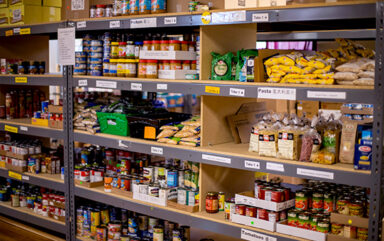 Canned and frozen foods are great options when fresh food is expensive or hard to find. They are convenient, last longer, and can be just as nutritious as fresh options if you choose wisely. Here are some tips:
- Canned vegetables: Look for “no added salt” or “low sodium” labels. Drain and rinse them to remove extra salt.
- Canned fruit: Choose fruit packed in water or its own juice instead of syrup.
- Canned fish or beans: These are affordable sources of protein and fibre. Rinse to reduce salt if needed.
- Frozen vegetables or fruit: Pick options without added sauces, salt, or sugar.
- In recipes: Use frozen or canned produce in soups, stir-fries, stews, and smoothies. They’re just as effective and can reduce prep time. This is especially helpful if you have sore hands or experience bouts of fatigue.
Some people with arthritis try supplements to manage their symptoms. While certain supplements may help, others can be expensive or ineffective. Here’s how to tell the difference:
- Look for evidence. Supplements like omega-3s (from fish oil) and vitamin D may have benefits for inflammation and joint health, but results can vary.
- Be cautious of gimmicks. Products that claim to “cure arthritis” or promise fast relief with no scientific backing are likely not helpful.
- Talk to your healthcare provider. A doctor, dietitian, or pharmacist can help you figure out which supplements are safe and worth trying based on your needs and treatment plan.
- If you wish to try certain supplements, check for third party certification and if any products have been recalled for safety concerns.
See Arthritis Society Canada’s Complementary Therapies page for more detailed guidance.
Managing Chronic Illness and Eating
Appetite
 Appetite can be affected by many different factors. For some people living with arthritis, certain medications may affect appetite, either by making you feel more or less hungry. Some medications also cause side effects, such as nausea, which can affect appetite and eating habits.
If you are experiencing side effects from your medication that make it difficult to eat or maintain a balanced diet, it is important to talk with your doctor about this.
Eating with Nausea
 Eating while feeling nauseous can be difficult and unpleasant. However, if your nausea is caused by medication side effects or arthritis symptoms, it’s still important to find ways to stay nourished. Skipping meals for too long can lead to low energy, unwanted weight loss, or poor nutrient intake. Here are some strategies to help make eating more manageable:
Eat small, frequent meals.
- Large meals can be overwhelming. Try eating small portions every 2–3 hours instead of three large meals a day.
- Dry foods like crackers, toast, or cereal can be easier to tolerate, especially in the morning.
- Sipping ginger or peppermint tea may help settle your stomach before or after a meal.
Choose easy-to-digest options.
- Smoothies, soups, and broths can be gentle on the stomach while still providing important nutrients.
- Protein shakes can help you meet your calorie and protein needs – just be mindful of added sugars or calorie content if you’re managing your weight.
- Shakes and smoothies should not be used as meal replacement but can be helpful during times where eating is more difficult.
Adjust smells, temperatures, and textures.
- Cold or room-temperature foods may be more tolerable than hot ones, which often have stronger smells.
- Avoid foods with strong odors or heavy spices if they trigger your nausea.
- Choose soft or bland foods if chewing or swallowing is uncomfortable.
- It may help to have liquids with aromas in a covered cup with a straw.
Talk to Your Healthcare Provider
 Always check with your doctor or pharmacist before taking any over-the-counter remedies, supplements, or herbal treatments for nausea. Some may interact with your medications or other health conditions. If your nausea does not improve, talk to your doctor about other options to help improve your symptoms.
EXPLORE:
- Making smoothies with more calories and protein (Alberta Health Services)
- Managing nausea and vomiting (Alberta Health Services)
Preparing meals when living with arthritis can be challenging – especially during a flare or when tasks like chopping, stirring, or lifting become painful or tiring. Making a few adjustments can help reduce strain and make mealtime more manageable.
Adapt your tools and space.
- Use assistive kitchen tools such as jar openers, electric can openers, ergonomic knives, and easy-grip utensils. These can reduce stress on your hands and joints.
- Choose lightweight cookware and kitchen aids like silicone utensils, non-slip cutting boards, or slow cookers.
- Create a comfortable prep space by sitting while chopping or mixing and keeping commonly used items within easy reach.
Save energy with smart meal prep.
- Prep in short sessions: Spread tasks out over the day or week to avoid fatigue.
- Use pre-washed, pre-cut, or frozen fruits and vegetables to save time and effort without sacrificing nutrition.
- Try batch cooking. Make multiple servings and freeze portions for later use.
- Plan ahead using a meal planning app or website – these can generate grocery lists and reduce food waste and decision fatigue.
- Consider food box programs. Some offer home delivery of fresh produce with recipes, which can simplify planning and introduce variety.
Lean on others when needed.
- Ask a friend or family member to help with physically demanding tasks, like opening jars or chopping vegetables.
- If available, explore community meal programs, shared kitchens, or professional meal prep services.
Make it enjoyable.
- Cook and connect with others when possible – preparing or sharing food in community can ease the emotional and physical burden of cooking alone.
Meal prep doesn’t have to be perfect, and small changes, where possible, can make a big difference in supporting both your nutrition and your energy levels.
EXPLORE:
Food, Mood, and Eating Challenges
 When living with arthritis or another long-term condition, your relationship with food may change. Some days, eating or preparing meals may feel comforting or enjoyable. Other days, it may feel like a chore, especially when fatigue, pain, or stress levels are high. It’s common for people managing chronic illness to experience shifts in appetite, energy, and emotions – and that’s okay.
How Food Affects Mood
 Nutrition plays an important role not just in physical health, but in mental well-being, too. Regular meals with a balance of nutrients can help support brain function, energy, and mood throughout the day. Skipping meals or relying heavily on processed foods may lead to changes in concentration, energy, or emotional regulation.
Here are some ways food and mood are connected:
- Skipping meals can lead to low energy, irritability, or trouble focusing.
- Low intake of carbohydrates can reduce serotonin, a chemical that helps regulate mood.
- Inadequate intake of omega-3 fats, iron, vitamin B12, or folate may increase the risk of depression or fatigue.
- Eating regular meals that include fibre-rich carbs, protein, and healthy fats can help stabilize blood sugar and support mental well-being. Try to limit foods high in sugar.
If you’re interested in more information on mental health and arthritis, visit Arthritis Society Canada’s resource about Mental Health.
Emotional Eating
It’s natural for emotions to influence how we eat. When feeling anxious, lonely, or overwhelmed, people may eat more or less than usual. Sometimes, food is used as a source of comfort, distraction, or control, especially when illness makes life feel uncertain. While occasional emotional eating is common, these habits can sometimes become more frequent or rigid over time.
Disordered Eating
Disordered eating refers to a range of behaviours, thoughts, or attitudes toward food and body image that may interfere with regular eating and quality of life. These patterns can exist on a spectrum and may not meet the criteria for a clinical diagnosis, but they can still have serious effects on health and well-being.
Common behaviours include:
- Frequent dieting, fasting, or restricting food intake
- Avoiding certain foods without a medical reason
- Feeling guilt or shame about eating
- Binge eating (eating a large amount of food while feeling distress or a loss of control) or purging (self-induced vomiting)
- Using exercise to “make up” for eating
- Obsessive focus on body size, food rules, or weight
Eating Disorders
Eating disorders are diagnosed mental health conditions that include specific patterns of behaviour and psychological criteria. They may include some of the same behaviours as disordered eating, but occur with greater frequency, intensity, and impact.
Diagnosed eating disorders include:
- Anorexia nervosa (AN)
- Bulimia nervosa (BN)
- Binge eating disorder (BED)
- Avoidant/restrictive food intake disorder (ARFID)
- Other specified feeding or eating disorder (OSFED)
Eating disorders are complex and often influenced by a mix of biological, psychological, and social factors. They affect people of all genders, body sizes, and backgrounds, including those living with arthritis or other chronic health conditions.
Chronic Illness and Increased Risk
Research shows that people living with chronic illnesses, including autoimmune diseases, are at greater risk of developing disordered eating or eating disorders. Reasons include:
- A strong focus on food and diet as part of disease management
- Feelings of frustration or lack of control due to illness
- Higher risk for developing anxiety, depression or other mental health illnesses
- Higher vulnerability to isolation, low self-esteem, or body image concerns
- Medication side effects that change weight or appetite
One study found that youth with chronic illness were significantly more likely to develop eating disorders than their peers without chronic illness.
Another found a bidirectional link between autoimmune disease and eating disorders, meaning that having an eating disorder increases the risk of developing an autoimmune condition, and having an autoimmune condition increases the risk of developing an eating disorder.
When to Seek Help
You deserve support. If the way you eat or think about food is interfering with your daily life, mood, or ability to care for yourself, speak to someone you trust. This might include:
- Your family doctor, nurse practitioner, or rheumatologist
- A Registered Dietitian or Nutritionist
- A mental health professional such as a Registered Counsellor, Social Worker, or Psychologist
For more information and resources, visit:
Eating Well for Joint Replacement Surgery
 Good nutrition is a key part of preparing for and recovering from joint replacement surgery. A balanced, nourishing diet can support your immune system, improve your body’s ability to heal, and help you maintain strength before and after surgery. Since arthritis may already impact your energy levels, appetite, or ability to shop and cook, planning ahead can make a big difference in your recovery.
Arthritis Talks: Waiting for Joint Replacement Surgery: What You Can Do Now [min 20:30 – 32:00]
 One of the most important nutrients for surgical healing is protein. Protein helps repair tissues, supports immune function, and helps maintain muscle, which is especially important if arthritis has already limited your mobility. In the weeks before surgery, aim to include a protein-rich food at each meal.
Good protein sources include:
- Lean meats, poultry, and fish
- Eggs and dairy products like milk, cheese, and yogurt
- Plant-based sources like tofu, beans, lentils, nuts, and seeds
If your appetite is low or you’re finding it hard to eat enough, high-protein snacks or nutritional supplements may be useful. Check with your healthcare provider or dietitian for personalized advice.
1.2–2.0 grams of protein per kilogram of body weight per day is recommended to support recovery and muscle preservation.
EXPLORE:
 Your overall eating pattern also matters in the weeks leading up to surgery. Following a balanced diet based on Canada’s Food Guide can help you get the nutrients your body needs to support healing.
Try to:
- Fill half your plate with vegetables and fruits.
- Choose whole grain foods.
- Include protein-rich foods more often.
- Use healthy fats like olives, olive oil, avocadoes, avocado oil, or non-hydrogenated margarine for cooking.
- Eat smaller, balanced meals if your appetite is low.
Comfort foods are often preferred after surgery, so try not to introduce brand-new eating patterns during recovery. Instead, aim to make gradual changes in the months leading up to your surgery. This gives you time to find foods that are both nourishing and enjoyable for you.
If you haven’t worked with a dietitian before, consider asking for a referral as soon as you’re scheduled for surgery. This allows enough time to build an eating plan that fits your needs and preferences.
 Arthritis medications can sometimes impact digestion, appetite, or bone health, so it’s important to pay attention to specific nutrients that help your body heal and stay strong.
Key nutrients include:
- Iron: Supports healthy blood and energy, especially important if blood loss occurs during surgery.
- Found in red meat, poultry, leafy greens, beans, lentils, fortified cereals, dried fruit, and pumpkin seeds
- Tip: Pair with vitamin C-rich foods to improve iron absorption.
- Vitamin C: Helps with wound healing and supports iron absorption.
- Found in citrus fruits, berries, kiwi, broccoli, bell peppers, and tomatoes
- Calcium and Vitamin D: Important for bone strength and immune health.
- Calcium sources: low fat milk, cheese, yogurt, fortified plant drinks, canned fish with bones, leafy greens, almonds, sardines, and sesame
- Vitamin D sources: sunlight, fortified foods, and fatty fish
Whenever possible, try to get these nutrients from food. If you’re concerned you may be lacking in certain vitamins or minerals, talk to your doctor or a Registered Dietitian before taking supplements. Supplements are not right for everyone and can sometimes interfere with medications.
Constipation is a common issue after joint replacement surgery, especially when pain medications are used. Good hydration and fibre intake are key to preventing discomfort.
To support digestion and bowel movements:
- Eat more fibre-rich foods like whole grains, fruits, vegetables, and legumes throughout the day.
- Some people find that prunes and prune juice, which are high in sorbitol, can help lessen constipation.
- Include fluids with your meals and throughout the day.
- Aim for 6–8 cups (1.5–2 litres) of fluids daily, unless advised otherwise by your doctor.
- Try warm fluids (e.g., herbal tea, broth) in the morning to help stimulate digestion.
If you’re trying new foods or increasing fibre and protein, introduce changes gradually. This helps your body adjust and prevents digestive upset, especially if you already live with inflammatory arthritis or have a sensitive stomach.
Tips for introducing new foods:
- Start with small portions and increase slowly.
- Track how you feel after eating (e.g., energy, digestion, pain).
- Avoid adding several new foods at once.
- Use a food diary to help keep track of any changes to your symptoms or health.
After surgery, fatigue and pain may make cooking difficult. Planning meals and snacks ahead of time can help ensure you’re still able to eat well during recovery.
Strategies to support recovery:
- Prepare and freeze nutritious meals before your surgery.
- Stock up on easy-to-prepare or pre-cut ingredients.
- Choose convenient options like:
- Hot or cold cereals that are high fibre and low in added sugars
- Canned soups (low sodium)
- Frozen vegetables and pre-washed greens
- Ready-to-eat protein items like hummus, hard-boiled eggs, or nut butters
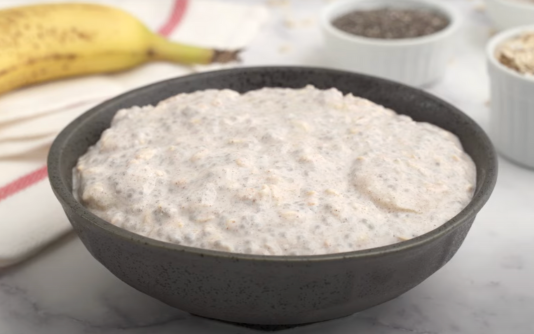
- Chia pudding or ready-to-eat high protein puddings
- Ask for help from family, friends, or community groups (e.g., meal trains, food box programs).
- Consider services like Meals on Wheels or grocery delivery if available.
- Use assistive tools for meal prep (jar openers, lightweight cookware).
If you live with another chronic condition, such as diabetes, celiac disease, or cardiovascular disease, it’s a good idea to consult with a registered dietitian. They can help you tailor your nutrition plan to support both your arthritis and your surgery recovery.
Recipes
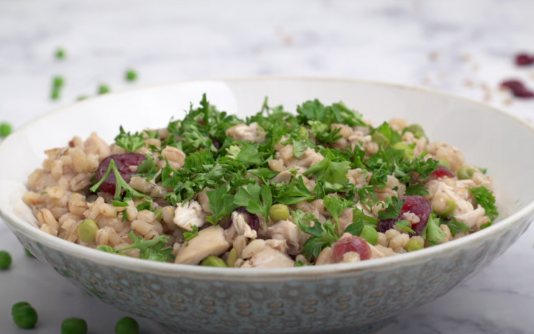
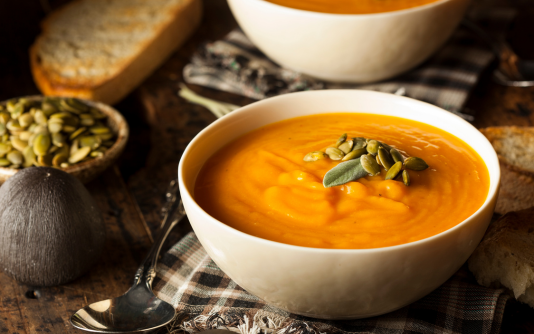




Eating Well: Frequently Asked Questions
 Foods like fatty fish, whole grains, fruits, vegetables, nuts, and olive oil are linked with lower inflammation. These foods are all important in the Mediterranean diet, which is often recommended to people looking to reduce inflammation.
 Some people find that highly processed foods, excess sugar, excess carbohydrates (like from white breads, pasta, or rice),, or alcohol can make symptoms worse. Try keeping a food diary, tracking the foods you eat and your symptoms, to see if anything triggers flares for you.
Yes. Eating well is about balance, not perfection – there’s room for enjoyment! What matters most is what you eat regularly over time.
 Use frozen or canned foods, shop sales, buy in bulk when possible, or check with local food programs for support.
Yes! Arthritis Society Canada has a great Arthritis Talks video series on food and nutrition. Some sessions include:
Contributor
This resource on Eating Well with Arthritis was developed and last reviewed in October 2025 with expert advice from:
Arlaina Waisman, Registered Dietitian
OASIS, Vancouver Coastal Health
- https://www.albertahealthservices.ca/assets/info/nutrition/if-nfs-adding-protein-to-your-diet.pdf
- https://www.albertahealthservices.ca/nutrition/Page11115.aspx
- https://www.unlockfood.ca/en/Articles/Fibre.aspx
- https://www.unlockfood.ca/en/Articles/Fat/What%E2%80%99s-the-Difference-Between-Omega-3-and-Omega-6.aspx
- https://www.unlockfood.ca/en/Articles/Vitamins-and-Minerals/What-You-Need-to-Know-About-Antioxidants.aspx
- https://www.unlockfood.ca/en/Articles/Diabetes-Prevention/Diabetes-and-carbohydrate-counting.aspx
- https://www.hsph.harvard.edu/nutritionsource/inflammation/
- https://www.northernhealth.ca/sites/northern_health/files/services/hospital-services/surgical-services/documents/nh-hip-knee-surgery-patients-guide.pdf
- https://www.nshealth.ca/sites/default/files/documents/2518.pdf
- https://forms.lhsc.on.ca/forms_view/view_file.php?key=d5xwl07uwl
- https://southsimcoephysio.ca/how-lifestyle-diet-help-hip-replacement-recovery/
- https://www.vch.ca/en/healthy-eating-and-weight-management-arthritis
- https://sunnybrook.ca/content/?page=patient-meals
- https://food-guide.canada.ca/en/
- https://www.gghorg.ca/wp-content/uploads/2019/02/Healthy_Eating_Goals_-_Expectations_Before_Surgery.pdf
- https://cdhf.ca/en/pre-and-post-surgery-nutrition-and-lifestyle-strategies-to-optimize-your-recovery/
- https://www.gghorg.ca/wp-content/uploads/2021/07/Healthy-Eating-Goals-2021.pdf
- https://www.albertahealthservices.ca/assets/info/nutrition/if-nfs-prehab.pdf
- https://nedic.ca/
- https://www.nied.ca/eating-disorders-in-canada
- https://cmha.ca/brochure/eating-disorders/
- https://pubmed.ncbi.nlm.nih.gov/30178543/
- https://pmc.ncbi.nlm.nih.gov/articles/PMC5703777/
- http://eatingdisorderhope.com/information/eating-disorder/the-link-between-eating-disorders-and-autoimmune-disease
- https://www.allianceforeatingdisorders.com/the-intersection-of-eating-disorders-and-chronic-illnesses/
- https://www.eatright.org/health/health-conditions/eating-disorders/what-is-disordered-eating
- http://nationaleatingdisorders.org/what-is-the-difference-between-disordered-eating-and-eating-disorders/